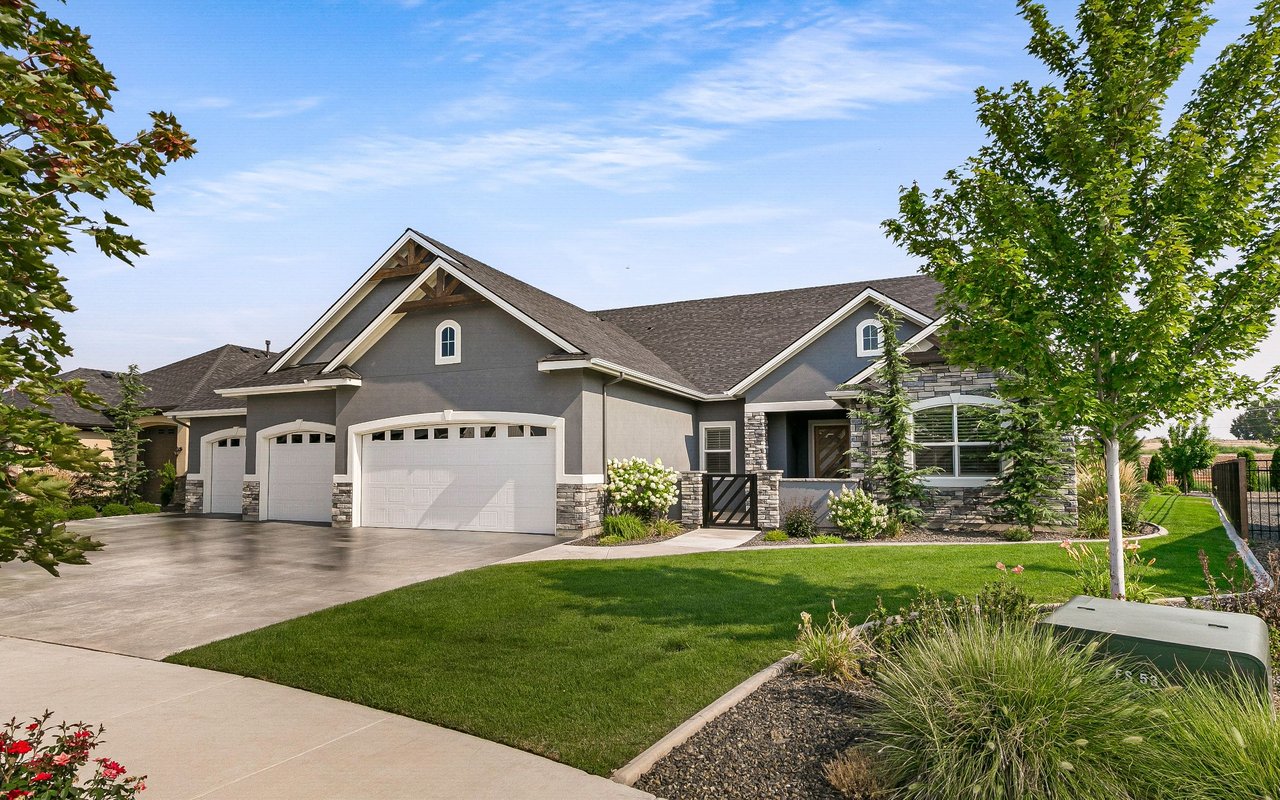
If you want to sell your Gulf Breeze home with confidence, curb appeal is only part of the story. In a coastal market like Gulf Breeze, buyers often look just as closely at roof age, moisture issues, flood information, permits, and insurance-related details as they do at paint colors and staging. When you prepare the right way before listing, you can reduce surprises, build buyer trust, and move through the sale with less stress. Let’s dive in.
Why Gulf Breeze prep looks different
Gulf Breeze is a peninsula community between Pensacola Bay and Santa Rosa Sound, and the City of Gulf Breeze describes it as the only city in South Santa Rosa County. That setting is a big part of what makes the area special, but it also shapes how you should prepare your home for sale.
In practical terms, buyers may pay closer attention to flood exposure, wind-related features, drainage, humidity, and overall maintenance than they would in a more inland market. That does not mean your home has to be perfect. It does mean your goal should be simple: show that your home is well cared for, well documented, and ready for scrutiny.
Start with water, roof, and safety
Before you worry about decorative updates, focus on issues that can raise red flags during showings, inspections, or insurance review. In many cases, these are the items that affect buyer confidence the fastest.
According to Citizens inspection guidance, serious hazards or deficiencies such as active leaks, exposed wiring, and evidence of leaks should be repaired before coverage applications. FEMA and local flood resources also note that poor drainage can contribute to flood risk, so water management matters inside and outside the home.
Fix the issues buyers notice most
Prioritize repairs in this order:
- Active roof leaks or visible water stains
- Roof wear or aging materials
- HVAC problems
- Plumbing leaks
- Electrical hazards
- Drainage or grading issues around the home
If your home has had recurring moisture or mold concerns, address the source first. The Florida Department of Health recommends keeping indoor humidity below 60% and venting moisture outdoors to help prevent mold.
Gather roof and insurance paperwork early
In Gulf Breeze, roof documentation can carry real weight. If your roof is older, buyers and insurers may want more than a general answer about when it was installed.
Citizens notes that soft roofs older than 25 years or hard roofs older than 50 years need documentation showing at least five years of remaining useful life. If a roof has less than five years left, proof of replacement may be needed before some policies can be written.
Helpful documents to collect
Try to gather these before your home goes live:
- Roof age and installation date
- Any recent roof inspection reports
- Repair invoices and contractor receipts
- Warranty information, if available
- Wind-mitigation inspection reports
- Insurance-related improvement records
If your home has qualifying wind-mitigation features, keep that paperwork handy. Citizens states that approved mitigation features can qualify for premium discounts, and My Safe Florida Home is referenced there as offering free wind-mitigation inspections and grant help for approved upgrades.
Verify flood information before listing
Flood questions are common in coastal transactions, and it is smart to prepare answers before buyers ask. The city explains that standard homeowners policies do not cover flood losses, and Gulf Breeze and Santa Rosa County participate in the NFIP Community Rating System, which can help reduce flood-insurance costs. You can review city resources through the City of Gulf Breeze flood information page.
Flood status is not something to guess at, especially because FEMA notes that maps can change over time. Sellers should verify current flood hazard details using the official public source, FEMA’s Flood Map Service Center, or the local assistance tools referenced by the city.
Have these flood-related details ready
- Current flood zone information
- Elevation-related documents, if you have them
- Records of past flood mitigation work
- Drainage improvements or grading updates
- Current flood insurance information, if applicable
Having this information ready can make your listing feel more transparent and easier to evaluate.
Check permits and utility records
If you have remodeled, enclosed space, changed the footprint, or completed major system work, now is the time to organize your paperwork. Buyers often feel more comfortable when improvements are easy to trace.
Santa Rosa County states that building permits are required for many structural changes and for remodeling that changes a footprint. The county also warns homeowners to use licensed contractors because the permit holder is responsible for corrections.
If your home has a septic system, do one more layer of homework. Gulf Breeze has an active septic-to-sewer program, so sellers should verify whether there are connection notices, permits, or utility records tied to the property.
Your document checklist
Before listing, gather:
- Building permits for remodels or additions
- Final inspection records, if available
- Contractor invoices and licenses
- Utility records tied to septic or sewer work
- Manuals or warranties for major systems
This kind of prep may seem boring, but it helps reduce last-minute scrambling once a buyer is under contract.
Handle disclosures the right way
One of the best ways to sell with confidence is to clean up disclosure issues early. Florida law requires sellers of residential property to disclose known latent defects that materially affect value and are not readily observable. The Florida Bar explains that these are defects a buyer may not easily notice during a casual visit.
For a Gulf Breeze home, that can include known roof leaks, recurring water intrusion, hidden moisture damage, termite damage, or similar concerns. The key is simple: disclose known problems instead of trying to hide them.
If your home was built before 1978, federal lead-based paint rules also apply. The EPA requires sellers to disclose known lead-based paint hazards, provide the required pamphlet, and share available records and reports before contract signing.
Stage for light, space, and calm
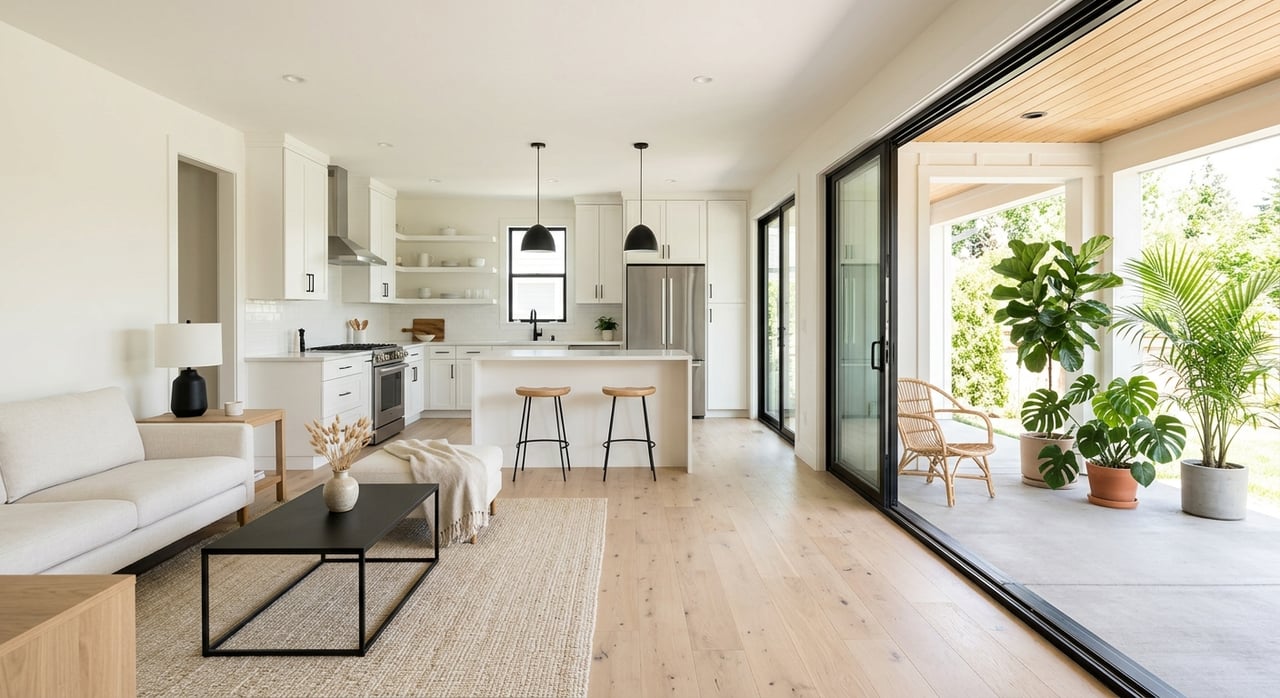
Once the big practical items are addressed, turn to presentation. In Gulf Breeze, bright natural light can be one of your home’s strongest selling features, so your staging choices should support that.
Florida Realtors notes that white or neutral colors are often preferred when preparing a home for market, and that warm neutrals can reflect light and visually recede. The National Association of Realtors similarly recommends softer palettes, decluttering, and removing personal items so buyers can better imagine the space as their own.
Coastal-friendly staging moves
Keep your staging simple and clean:
- Use neutral or soft wall colors where practical
- Clean windows thoroughly
- Choose simple window treatments
- Remove excess furniture
- Pack away highly personal décor
- Limit themed beach decorations
The goal is not to make your home feel generic. It is to make it feel bright, maintained, and easy to picture living in.
NAR reports that staging can help boost sale price and reduce time on market. Even when a full stage is not necessary, decluttering and correcting visible faults can still make a meaningful difference.
Prepare for inspections and buyer questions
Once your home is listed, think a step ahead. If an inspector or insurance-related surveyor visits tomorrow, can they access the key systems easily?
Citizens says inspections often focus on the roof, structure, HVAC, plumbing, electrical systems, water heater, and overall condition. Their four-point inspection requirements also note the importance of access and clear documentation for areas like the attic, electrical panel, water heater, air handler, plumbing connections, and roof photos.
Make inspection day easier
Before any inspection or showing, make sure you can provide access to:
- The attic
- Electrical panels
- Water heater
- HVAC air handler
- Plumbing connection points
- All sides of the exterior
- Roof access areas, where appropriate
Replace burned-out light bulbs, clear storage away from key systems, and make sure gates or locked areas can be opened. Small steps like these help the process move faster and create a stronger impression of overall care.
Think like a buyer before you list
The strongest Gulf Breeze listings usually do two things well. They look inviting, and they answer practical questions before those questions turn into objections.
That is especially important in a coastal setting where buyers may already be thinking about maintenance, insurance, and long-term durability. When you can show that your home is dry, documented, and thoughtfully prepared, you create a smoother path from listing to closing.
If you want a detail-driven plan for your Gulf Breeze sale, Luker Smith brings a practical construction and design perspective to pricing, preparation, and marketing so you can move forward with clarity.
FAQs
What should Gulf Breeze sellers fix before listing a home?
- Gulf Breeze sellers should prioritize active leaks, roof wear, HVAC issues, plumbing leaks, electrical hazards, and drainage problems before focusing on cosmetic updates.
What flood information should Gulf Breeze sellers have ready?
- Gulf Breeze sellers should verify current flood-zone information, gather any elevation or mitigation records they have, and use the city’s flood resources or FEMA mapping tools to confirm current status.
Do sellers in Gulf Breeze need permit records for home improvements?
- Yes, Gulf Breeze sellers should gather permits, final inspection records, and contractor paperwork for additions, remodels, footprint changes, or other major work that may require county approval.
How should you stage a Gulf Breeze home for sale?
- Stage a Gulf Breeze home with neutral colors, clean windows, simple window treatments, less clutter, and minimal themed décor so buyers focus on light, space, and condition.
What do inspectors commonly review in a Gulf Breeze home sale?
- Inspectors commonly review the roof, structure, HVAC, plumbing, electrical systems, water heater, and overall condition, and they need access to key systems and utility areas.
What disclosures matter when selling a Gulf Breeze home?
- Sellers should disclose known latent defects that materially affect value and are not readily observable, such as known leaks, hidden moisture damage, water intrusion, or termite damage, and homes built before 1978 may require lead-based paint disclosures.