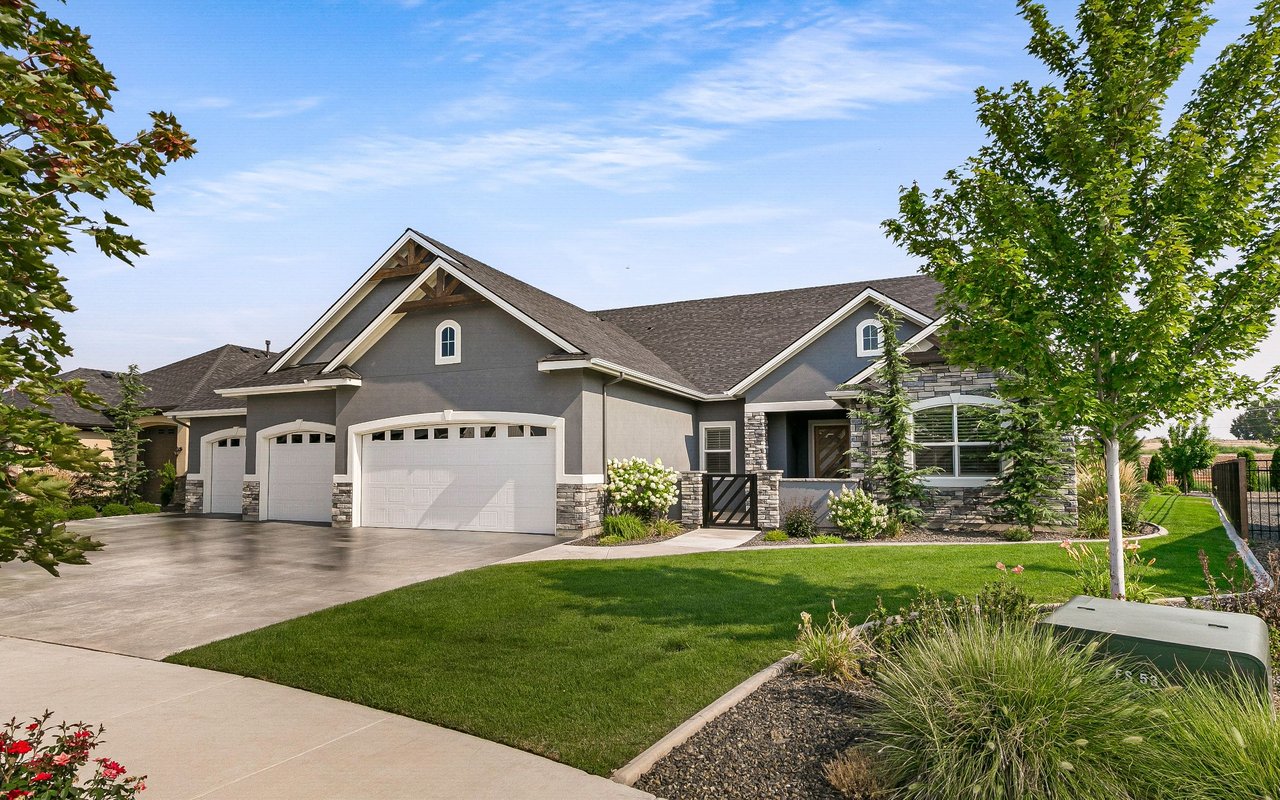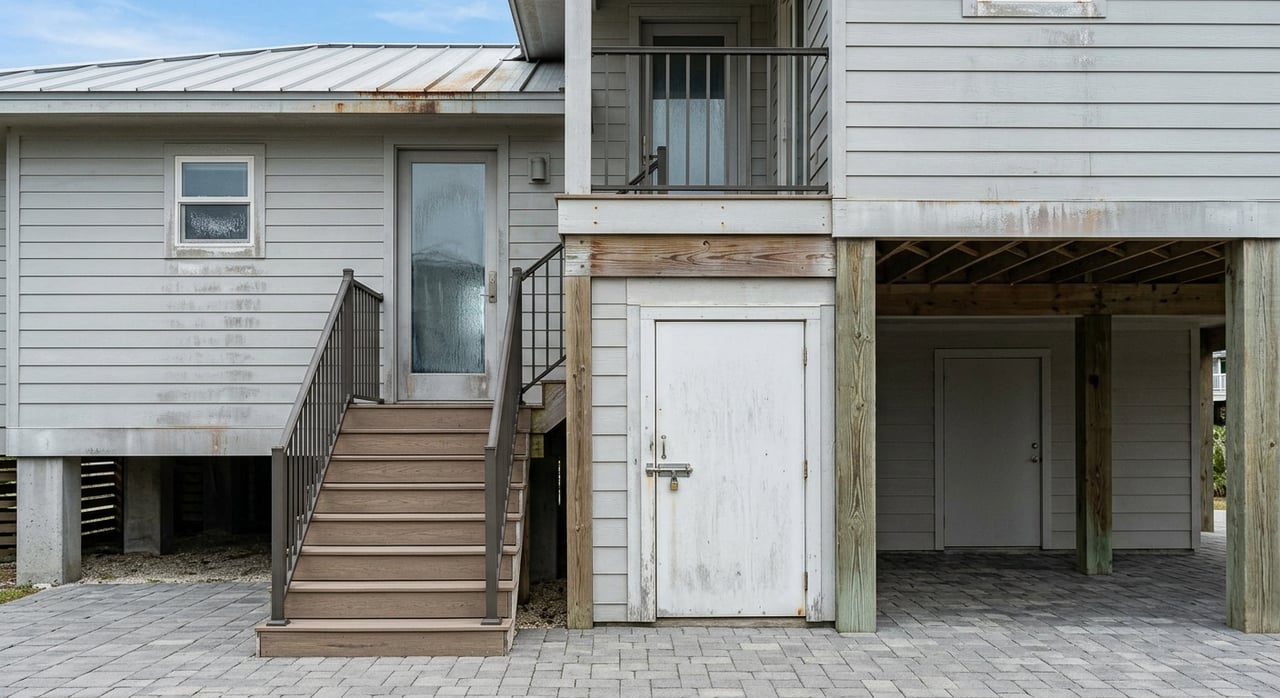
Dreaming about a place where you can slip away for long weekends and holiday stays? Pensacola Beach can absolutely fit that vision, but buying a second home here comes with a different set of day-to-day realities than buying inland. If you are thinking about making this island community your home base by the water, it helps to understand access, upkeep, property types, and coastal ownership costs before you buy. Let’s dive in.
Why Pensacola Beach Feels Different
Pensacola Beach is a compact island community on Santa Rosa Island in Escambia County. According to the Santa Rosa Island Authority, it has about 2,000 residents, and Escambia County describes the beach as roughly eight miles long.
A big part of its character comes from its limited footprint. Escambia County says about 60 percent of the island is public use or public-service land, while about 40 percent is leased for residential and commercial use. For you as a buyer, that can make Pensacola Beach feel more like a small island base than a typical neighborhood on the mainland.
Mainland Access Matters
If you plan to use your second home often, your drive on and off the island deserves real attention. Pensacola Beach connects to the mainland by the Bob Sikes toll bridge, which is all electronic and currently has a $1 toll.
That may sound simple, but regular travel patterns can shape how convenient ownership feels. Escambia County also maintains a beach traffic hotline and active congestion-management efforts, which tells you traffic flow is a real factor during busy times.
For seasonal travel, guest visits, and quick weekend trips, ask yourself a few practical questions:
- How often will you drive into Pensacola proper?
- Will you be arriving on high-traffic weekends or holidays?
- Do you want a place that feels tucked away, even if that means a little more travel planning?
- Will guests need simple directions and easy parking when they visit?
ECAT also operates a seasonal Pensacola Beach trolley. That can be a helpful option for getting around during busier stretches of the year, especially if you want to limit extra car trips once you are on the island.
Compare Condos and Houses Carefully
Pensacola Beach is not a one-property-type market. Escambia County’s land development code includes several residential districts specific to Pensacola Beach, along with mixed-use, hotel, retail, preservation, and civic categories.
County mitigation materials also describe the housing mix as including large multi-story condominiums, several apartment complexes and other condominiums, and hundreds of single-family homes. New condominium units are also continuing to be built.
That means your decision is not just about location. It is also about how you want to live when you are here and how much oversight you want when you are away.
When a Condo May Make Sense
A condo can be appealing if you want a more lock-and-leave setup. UF/IFAS notes that many condominiums or planned communities handle some exterior maintenance, which can be helpful if the property will sit vacant for stretches of time.
For many second-home buyers, that translates into less worry about exterior upkeep between visits. You may still have building rules, fees, and shared-property considerations to review, but the reduced maintenance burden can be a major plus.
When a House May Make Sense
A detached home can offer more space, privacy, or flexibility in how you use the property. At the same time, UF/IFAS points out that owners of detached homes need to monitor roofs, gutters, walls, drainage, and landscaping more closely.
If you are buying a house on Pensacola Beach, this is where a practical inspection mindset matters. From a construction and livability standpoint, you want to look beyond finishes and focus on how the home is built, how it handles weather exposure, and what it will take to maintain over time.
Think Through Everyday Beach Logistics
A second home should make life easier, not more complicated. On Pensacola Beach, simple logistics like parking, guest access, and where you keep your beach gear can affect how enjoyable the property feels.
Escambia County Public Works maintains the walkovers, parking, parks, restrooms, beach, fishing pier, and roads on Pensacola Beach. The county’s congestion plan also discusses changes around Casino Beach parking, which is a good reminder that parking is not a minor detail on the island.
If you expect visitors or may bring multiple vehicles, compare properties with these questions in mind:
- How many vehicles can park on site?
- Is guest parking simple or limited?
- How far is the walk from parking to the unit or home?
- Is there practical storage for chairs, umbrellas, and coolers?
- Will loading in and out feel easy after a full beach day?
Know the Beach Rules Before You Buy
Escambia County’s beach rules can also shape how you use and store your gear. The county says items such as umbrellas, tents, hammocks, toys, picnic tables, and chairs should be removed at the end of each day.
Unattended personal property left after sunset can be removed and disposed of by beach cleaning crews. The county also bans glass and private grills or open flames on the beach, and pets are limited to designated dog parks.
That may sound like a small detail, but it matters for second-home ownership. A property with easy storage and cleanup routines can make your visits much smoother, especially when you have guests or are packing up quickly before heading back home.
Flood Risk Is a Major Ownership Factor
If there is one issue you should treat as central to the decision, it is flood exposure. The Santa Rosa Island Authority says every property on Pensacola Beach is subject to flooding.
SRIA also notes that the island has experienced flooding from local drainage problems all the way to storm surge. It states that the entire island flooded during Hurricane Ivan in 2004.
Escambia County’s mitigation strategy adds more context. Hurricanes Opal, George, Ivan, Dennis, and Sally all caused major erosion, which reinforces a simple truth about coastal ownership: a beach home is not a set-it-and-forget-it property.
What This Means for You
Flood risk affects both your buying decision and your long-term planning. It can influence insurance requirements, property improvements, repair considerations, and how you prepare the home before storm season.
It should also shape how you evaluate the structure itself. A home that looks great in photos may still need a closer look at elevation, materials, drainage, exterior condition, and storm-readiness.
Plan for More Maintenance Than an Inland Home
Florida’s climate can be tough on homes that sit empty. UF/IFAS says seasonal owners should expect risks related to mildew, storm damage, pests, and other issues when a property is vacant for long periods.
That is why a second home on Pensacola Beach needs a clear maintenance plan. Waiting until something looks wrong can cost you more in the long run.
UF/IFAS recommends that seasonal owners:
- Keep the exterior in good repair
- Check roofs, gutters, and windows regularly
- Store outdoor furniture inside
- Arrange periodic property checks
Landscaping also deserves attention. UF/IFAS notes that coastal landscapes need extra planning because of wind, salt, and sandy high-pH soils, and salt spray can damage sensitive foliage.
For you, that means the right property is not just the one with the best view. It is the one whose upkeep demands match the time, budget, and oversight you are ready to commit.
Remodeling and Exterior Updates Have Extra Steps
If you are considering updates after you buy, Pensacola Beach has a few local requirements worth knowing upfront. Escambia County says properties on Pensacola Beach must use wildlife-friendly lighting when exterior light is visible from the marine beach, and existing properties have until January 1, 2028 to comply.
That matters if you plan to change outdoor lighting, renovate exterior spaces, or improve the property over time. It is another example of why coastal ownership often requires more local due diligence than buyers expect.
Escambia County also says permit applications on Pensacola Beach must be approved by the SRIA floodplain administrator before submittal to county building services. The county permit application also highlights flood-zone documentation, elevation certificates, and flood-resistant materials for work in Special Flood Hazard Areas.
If renovations are part of your plan, it helps to evaluate the property with those requirements in mind from the start. A practical, detail-focused review can save you time and reduce surprises later.
Do Not Assume Tax Savings Apply
Some buyers ask whether a second home on Pensacola Beach will qualify for Florida homestead tax savings. Florida ties the homestead exemption to a permanent residence, so you should not assume that benefit will apply to a second home.
This is an important part of the ownership-cost picture. When you compare properties, make sure you are looking at realistic carrying costs instead of assuming owner-occupant tax treatment will transfer to a seasonal property.
A Smart Pensacola Beach Buying Approach
If you are serious about using Pensacola Beach as a second-home base, it helps to evaluate each property through a practical lens. The goal is not just to find a place you love on day one. It is to choose a property that fits how you will actually use it over the next several years.
A smart buying approach includes:
- Comparing condos and houses based on maintenance, not just price
- Factoring in bridge access, traffic, and guest convenience
- Reviewing parking and storage with real-world beach use in mind
- Taking flood exposure and storm history seriously
- Planning for vacancy checks, moisture control, and exterior upkeep
- Understanding local permitting and lighting rules before remodeling
That kind of detail work can make the difference between a relaxing second home and a property that feels harder to manage than expected.
Pensacola Beach can be an incredible coastal base if you go in with clear eyes. When you match the property type, location, and maintenance realities to your lifestyle, you can buy with a lot more confidence.
If you want practical guidance on comparing Pensacola Beach properties, evaluating condition, and finding a second home that fits how you actually plan to use it, Luker Smith can help you make a clear, informed move.
FAQs
What makes Pensacola Beach different for a second-home buyer?
- Pensacola Beach is a compact island community with limited land, bridge access to the mainland, and more coastal maintenance considerations than a typical inland neighborhood.
What property types are available on Pensacola Beach?
- Pensacola Beach includes a mix of multi-story condominiums, other condo-style housing, apartment complexes, and hundreds of single-family homes, so you can compare different ownership styles.
What should Pensacola Beach buyers know about island access?
- The island connects by the Bob Sikes toll bridge, which is all electronic and currently costs $1, and traffic can be an important factor during busy weekends and holidays.
Why does parking matter for a Pensacola Beach second home?
- Parking can affect everyday convenience for you and your guests, especially on busy beach days, so it is worth reviewing on-site parking, guest parking, and ease of loading beach gear.
How serious is flood risk on Pensacola Beach?
- The Santa Rosa Island Authority says every property on Pensacola Beach is subject to flooding, so flood exposure should be treated as a major part of the buying decision.
What maintenance should a seasonal owner expect on Pensacola Beach?
- Seasonal owners should plan for more moisture control, exterior upkeep, storm preparation, and periodic property checks than they would with many inland homes.
Can a second home on Pensacola Beach qualify for Florida homestead exemption?
- Florida ties homestead exemption to a permanent residence, so buyers should not assume a second home will qualify for that tax benefit.
What should buyers know about remodeling on Pensacola Beach?
- Pensacola Beach projects may involve extra steps such as SRIA floodplain review, flood-zone documentation, and compliance with wildlife-friendly lighting rules for certain exterior lighting.