Thinking about a move to Pensacola and not sure where to start? You have plenty of choices, from century-old bungalows near the bay to new-build neighborhoods on the edge of town and condos right on the sand. The right fit comes down to how you want to live, how far you want to commute, and how comfortable you are with coastal realities like flood risk, wind, and maintenance. This guide breaks down your main housing options, commute patterns, and a practical coastal checklist so you can move with confidence. Let’s dive in.
How Pensacola housing breaks down
Pensacola offers a wide mix of homes. Close to downtown, you will see historic districts with walkable streets and character architecture. In the mid-city areas, you will find mid-century ranch homes with bigger yards and value pricing. On the outskirts, active new-home subdivisions add modern plans and warranties. If you want water views, you will find condos and cottages along Pensacola Bay, Pensacola Beach, and Perdido Key.
Affordability is a draw compared with many Florida metros, and you can often balance price, commute time, and lifestyle by choosing the right pocket of the city. Your tradeoff is usually character and proximity versus maintenance and insurance costs. Use the sections below to match options to your priorities.
Historic homes near downtown
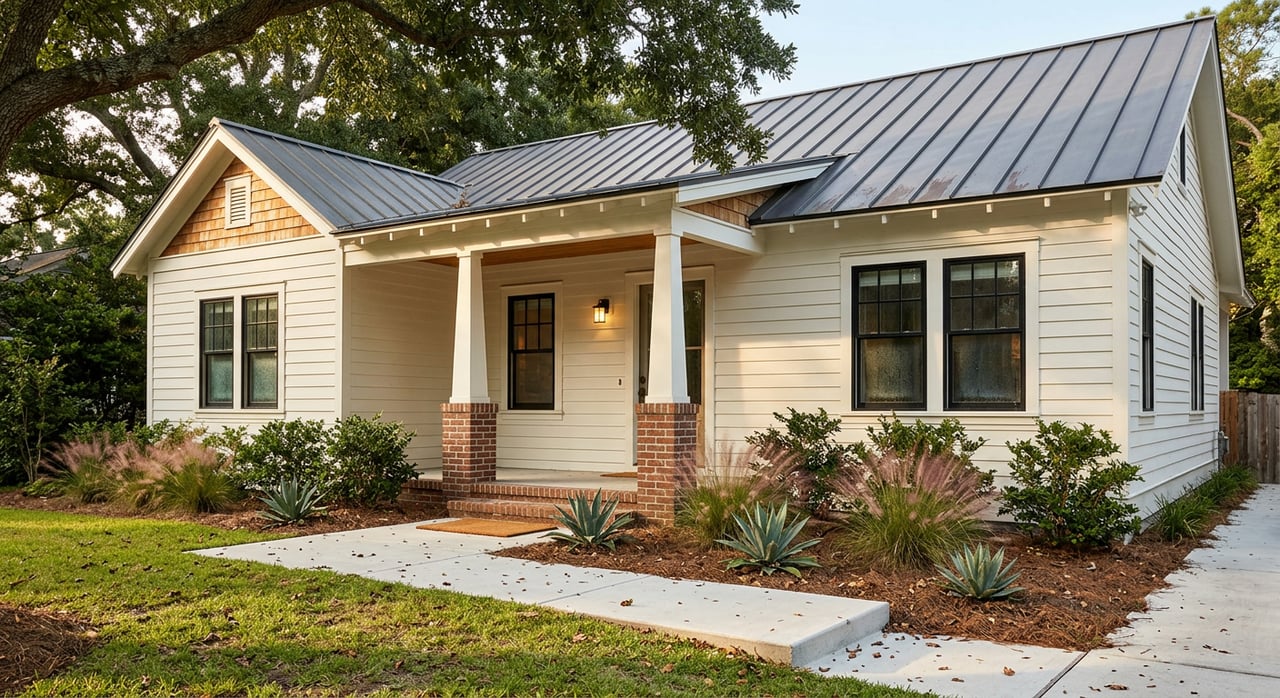
Pensacola’s historic core includes North Hill, East Hill, and areas around the Palafox corridor. You will see bungalows, cottages, and early 20th-century styles with rich details and mature streetscapes. These areas are close to dining, culture, and the bay, and changes to exteriors often follow local preservation review. Learn more about local protections on the City of Pensacola’s page on historic preservation.
What to expect:
- Character and walkability, often with smaller lots.
- Potential for older electrical, plumbing, or roofs that need updates.
- Moisture and termite risks that come with age and a humid climate.
Tip: Schedule a thorough home inspection with a wood destroying organism check. If the home is in a Special Flood Hazard Area, ask for an Elevation Certificate and get an early flood insurance estimate.
Mid-century neighborhoods
Neighborhoods like Brent, Ferry Pass, Warrington, and Goulding offer mid-century ranches and split plans on larger lots. Many buyers like the value per square foot and the flexibility to add a workshop or play space. You will find a mix of updated homes and properties ready for renovation.
What to expect:
- Good value compared to the waterfront or downtown core.
- Systems that may be at mid-life, such as roofs or HVAC.
- Some homes near waterways may need flood-proofing or have a past flood history.
Tip: Budget for repairs if the roof or HVAC is older, and verify the home’s flood zone on the county’s FEMA maps before you make an offer.
New-build subdivisions
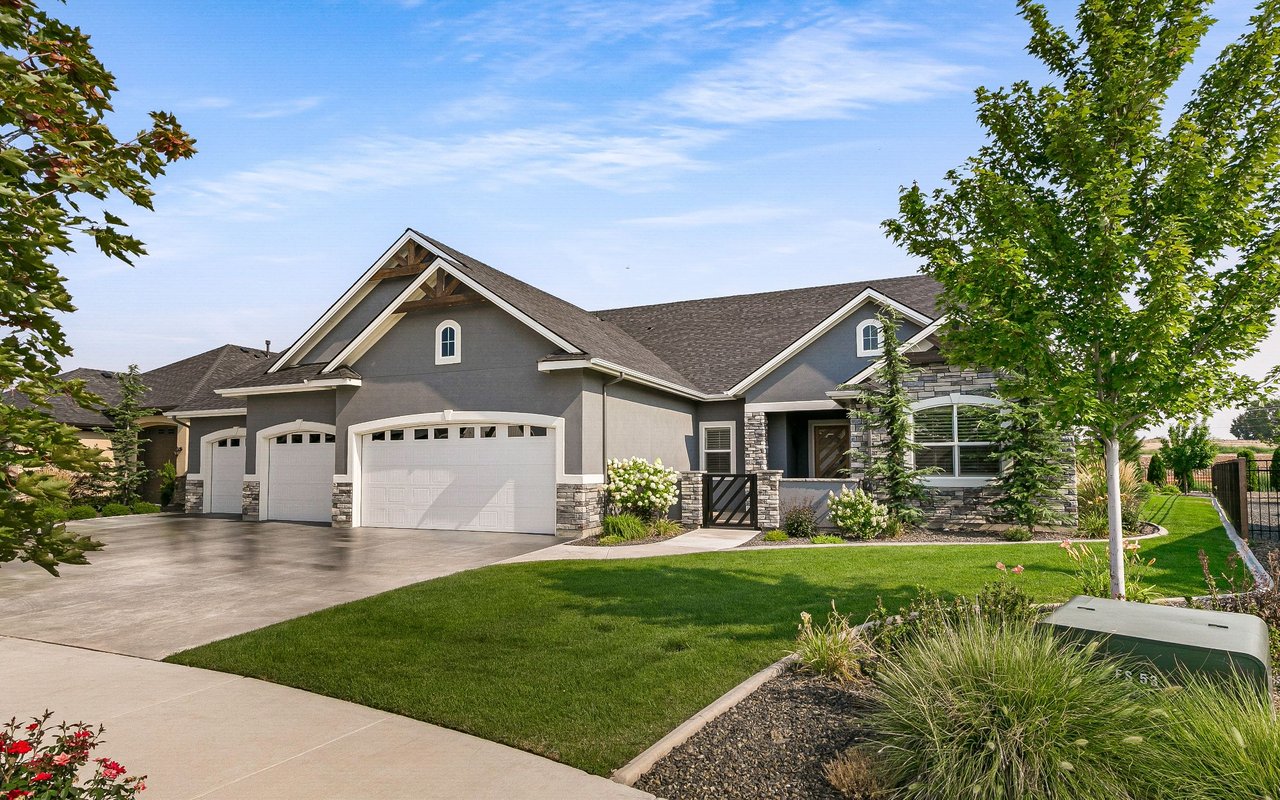
On the metro’s edge, you will see active new-home communities with modern layouts, energy features, and builder warranties. National and regional builders are present in the Pensacola area, and you can browse examples of current offerings on NewHomeSource for West Pensacola.
What to expect:
- Turnkey, low-maintenance living in the first years.
- HOAs with rules and shared amenities.
- Longer commutes to downtown or the base compared with the historic core.
Tip: Even with a new home, hire an independent inspector at each construction stage when possible and review the HOA documents, especially drainage plans in low-lying subdivisions.
Townhomes and downtown condos
If you want a low-maintenance footprint and walkable access to cafés, events, and the bayfront, townhomes and condos near downtown and the University of West Florida corridors can be a strong fit. Newer townhome projects have added options in recent years, and some units offer garage parking and small private patios.
What to expect:
- Less exterior maintenance for owners.
- Monthly dues that cover common-area upkeep and insurance on shared elements.
- Insurance costs that can run higher for waterfront or bay-view buildings.
Tip: Ask for the association’s financials, reserve studies, and recent meeting minutes before you commit. Look for planned roof, façade, or structural work and any talk of special assessments.
Waterfront and beach living
Pensacola Bay, Pensacola Beach, and Perdido Key offer waterfront condos, cottages, and mid-rise or high-rise buildings. On Pensacola Beach, land is managed under leasehold by the Santa Rosa Island Authority, which adds unique terms for buyers. For a primer on island governance, review the Santa Rosa Island Authority overview.
What to expect:
- Premium pricing for water access and views.
- Layered insurance needs, including near-certain flood policies for properties in Special Flood Hazard Areas.
- Association-driven maintenance and reserves that can influence monthly costs.
Tip: For condos, request the building’s disaster plan, current insurance limits, and a recent reserve study. For houses, confirm elevation relative to Base Flood Elevation and budget for impact-rated openings or shutters.
Commutes and daily logistics
Commute times are manageable for many residents. According to federal estimates, Escambia County workers average about 24 minutes to work, with longer drives likely if you live farther from downtown, cross the bay, or commute at peak times.
Common routes include I-10 east-west, the I-110 spur into downtown, and U.S. 98 across the Pensacola Bay Bridge. If you rely on public transit or want a car-light lifestyle, Escambia County Area Transit operates fixed routes and seasonal trolleys. You can read a high-level overview of ECAT service design in a National Academies report chapter.
What coastal buyers must check
Coastal conditions affect both safety and cost. A little homework up front will save you time and reduce surprises.
Flood risk and elevation
Start with a map check at the address level. Escambia County’s FEMA Flood Insurance Rate Map panels show which parcels fall into Special Flood Hazard Areas. You can review one of the county FIRM panels here and use it as a reference for address-level lookups: Escambia County FIRM panel sample. If a property is in Zone A, AE, or VE and you plan to finance, lenders commonly require a separate flood policy. Ask the seller for an Elevation Certificate and get an early quote from your insurance agent.
For neighborhood context, Escambia County’s GoMaps web tools include hazard layers for storm surge and SFHAs that can help you visualize risk. See the GoMaps legend for available layers and explore the map in your browser.
Wind and building standards
Florida’s building code includes special wind design standards and wind-borne debris rules that influence roof connections and window protection. The highest-velocity hurricane zone is in South Florida, but Escambia County follows wind-borne debris region rules with specific design wind speeds. For context on how the state treats hurricane design and HVHZ protocols, see the Florida Building Code overview from BCAP. When you evaluate a home, ask the building department or your inspector about the property’s design wind speed, whether impact-rated openings or shutters are present, and the home’s wind-mitigation features.
Insurance costs to budget
Homeowners insurance in Florida often includes a separate hurricane deductible that is a percentage of the dwelling coverage, not a flat amount. Flood insurance is a separate policy under the National Flood Insurance Program when required by your lender. Citizens Property Insurance remains an insurer of last resort for those who cannot obtain private coverage. For a practical overview of hurricane deductibles and common misconceptions, review Citizens’ guidance on avoiding common insurance myths.
A simple rule of thumb: If your lender requires flood insurance, budget for that NFIP premium and ask your insurer about hurricane deductibles and wind coverage limits before you make an offer.
Maintenance rhythms by the coast
Salt air and storms add wear. Plan for more frequent roof checks after major weather, regular HVAC service to reduce corrosion, and routine exterior painting on seaward faces. Stainless or coated fasteners on decks and rails help resist rust. A good coastal inspector will point out priorities so you can set a realistic first-year maintenance plan.
Quick checklists by buyer type
Military relocation checklist
- Contact the NAS Pensacola Housing Services and Referral Office for off-base resources and BAH guidance. Start here: NAS Pensacola housing resources.
- Focus your search on areas with shorter base commutes, like historic districts close to downtown or nearby west-side neighborhoods, to reduce daily drive time.
- Work with an agent familiar with VA loans and remote-friendly processes so you can move quickly on the right home.
Remote worker checklist
- Verify fiber or broadband availability at the exact address and confirm upload speeds for video calls. Ask about backup options in case of outages.
- Consider townhomes or downtown condos for low maintenance and access to cafés and coworking. Suburban new builds can offer dedicated office space and value pricing.
- Check cell coverage at the property and test for Wi-Fi quality during showings.
Universal homebuying checks
- Run a FEMA flood map lookup and, if the property is in a Special Flood Hazard Area, request an Elevation Certificate and a flood quote.
- Hire a coastal-experienced home inspector and order a wind-mitigation inspection. Ask about roof age, attic ventilation, hurricane clips, and opening protection.
- For condos and townhomes, review the association’s financials, disaster reserves, insurance coverage, and any planned special assessments.
Mini neighborhood snapshots
- Downtown and Historic Core. Walkable streets, period architecture, and quick access to the bay and Palafox dining. See the city’s historic preservation overview for context on exterior changes.
- Ferry Pass and UWF Area. A mix of single-family homes and rentals near the university and medical centers. Drives often trend toward downtown or campus.
- Brent, Bellview, and Beulah. Suburban feel with newer subdivisions and larger lots on average. Good for buyers who want space and do not mind a longer drive to the core.
- Pensacola Beach and Santa Rosa Island. Island living with beach access and unique SRIA lease terms. Review the SRIA background before you buy.
Five-question self-quiz
Answer these to narrow your search:
- Do you value walkability more, or a larger yard and garage space?
- What is your maximum comfortable commute time on a normal day?
- How much ongoing maintenance are you willing to take on in exchange for character and location?
- Is direct water access or a water view a must-have, or a nice-to-have?
- Do you prefer the predictability of new construction, or the charm and potential of an older home?
Your answers will point you toward downtown historic areas, mid-century neighborhoods, suburban new-builds, or coastal condo communities.
Ready to explore your options?
If you want a local, construction-savvy perspective as you compare neighborhoods, build quality, and long-term costs, you are in the right place. I help buyers balance lifestyle, commute, condition, and insurance so you can move with clarity. When you are ready, reach out to Luker Smith to start a focused, stress-reduced search.
FAQs
What are the main housing options in Pensacola?
- You will find historic bungalows near downtown, mid-century single-family neighborhoods across the city, active new-home subdivisions on the outskirts, and waterfront condos or cottages along Pensacola Bay, Pensacola Beach, and Perdido Key.
How do I check flood risk for a Pensacola address?
- Start with FEMA’s Flood Insurance Rate Map panels to see if the property is in a Special Flood Hazard Area, then ask for an Elevation Certificate and a flood insurance quote; a sample panel is here: Escambia County FIRM panel.
What coastal building and wind rules affect homes?
- Florida’s code sets wind design speeds and wind-borne debris rules that influence roof connections and window protection; see a state-level overview of HVHZ protocols in the BCAP Florida Building Code explainer.
What should military buyers near NAS Pensacola know?
- Connect early with the base housing services, target shorter base commutes to reduce daily stress, and work with an agent who knows VA loans and remote processes; find resources at NAS Pensacola housing.
How long are typical commutes in Escambia County?
- Federal estimates show an average of about 24 minutes to work for county residents, with longer drives common for cross-bay trips or outer suburbs; see the Census QuickFacts reference.