Trying to choose between a house and a condo in Gulf Shores? It sounds simple until you start looking at flood zones, dues, parking, beach access, rental rules, and who handles the roof when salt air and storms take a toll. If you want a place that fits how you actually live, not just what looks good in photos, this guide will help you compare the real tradeoffs in Gulf Shores. Let’s dive in.
Why this choice feels different in Gulf Shores
In Gulf Shores, buying near the coast means your decision is shaped by more than square footage and finishes. FEMA notes that coastal communities can face storm surge, waves, erosion, and periodic flooding, and the City of Gulf Shores provides local flood and mapping tools that show why each property needs its own review.
That means a house is not always the “freer” option and a condo is not always the “easier” one. The exact parcel, flood zone, beach access, zoning, and property rules can change how a home functions day to day.
House vs. condo ownership basics
Before you compare lifestyle, it helps to understand what you are actually buying. In Alabama, condo ownership usually means you own the unit itself plus an interest in shared areas, while the association generally handles maintenance, repair, and replacement of common elements.
Those common elements can include things like the land, roof, parking areas, stairways, halls, and lobbies. As a condo owner, you are still responsible for your unit, and owners must allow reasonable access through the unit when work is needed.
With a house, ownership usually includes the lot and the structure more directly. That often gives you more control over exterior changes, yard use, and everyday upkeep, but it also means more of the maintenance responsibility lands on you.
What a house often offers
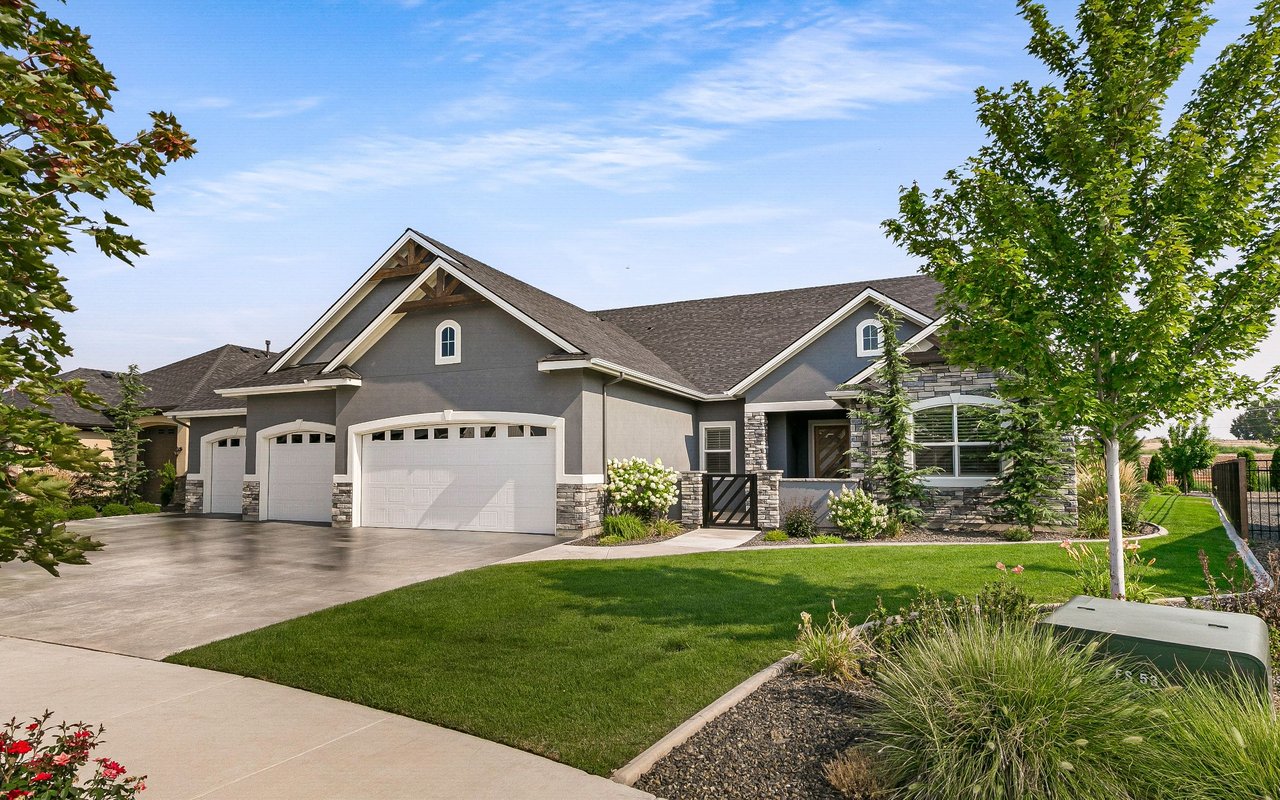
A house in Gulf Shores often appeals to buyers who want more privacy and more control. If you like having outdoor space, storage, a garage, or flexibility for exterior projects, a house may line up better with how you live.
That extra control can be valuable for full-time living. You are usually not working within the same kind of shared-rule structure you would have in a condo community, especially when it comes to exterior use and maintenance choices.
Still, more control comes with more responsibility. In Gulf Shores, that may include managing upkeep tied to weather exposure, checking permit needs, and understanding local flood-related requirements through the City of Gulf Shores Building Department.
What a condo often offers
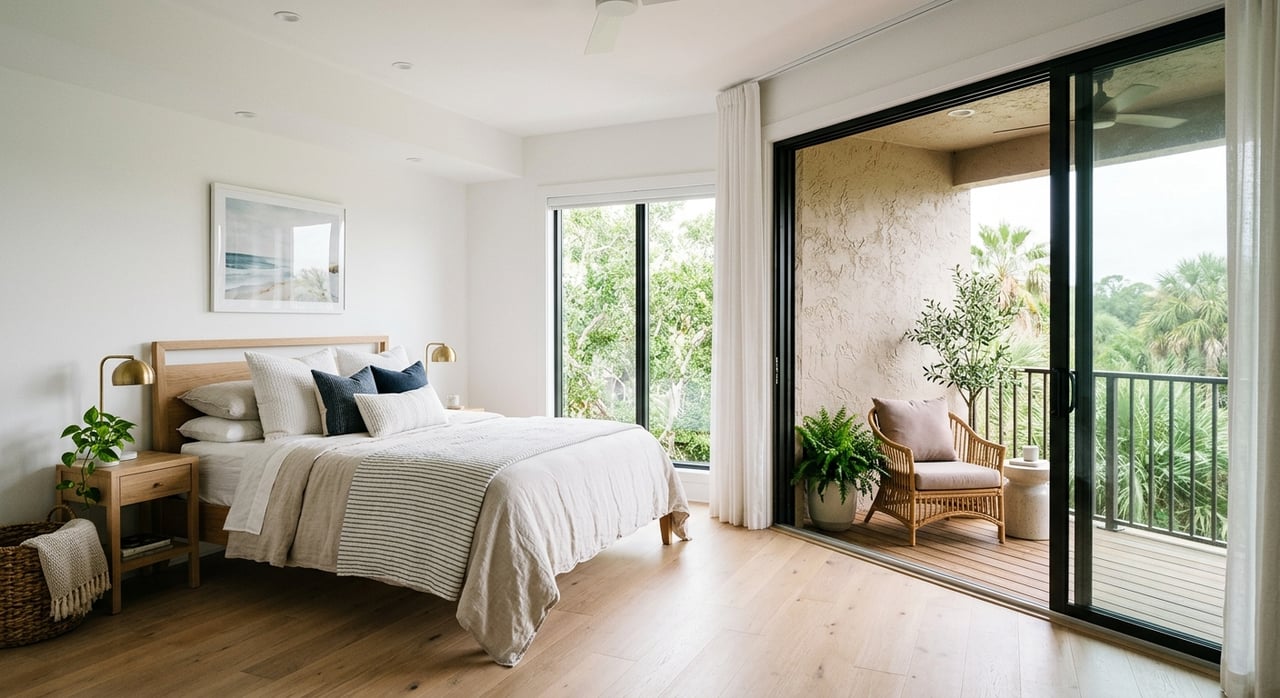
A condo often works well for buyers who want a simpler ownership setup, especially for part-time living. Because the association generally handles common-element maintenance, a condo can feel more like a lock-and-leave option.
That convenience is real, but it is not hands-off. Condo owners usually pay dues that are separate from the mortgage, and those dues can vary widely. If dues go unpaid, collection efforts and even foreclosure are possible.
You also trade some independence for shared standards. Condo governing documents commonly address pets, parking, noise, renovations, and renting, so it is important to know the rules before you buy.
Gulf Shores factors that matter most
Flood zone and parcel details
In a coastal market like Gulf Shores, the property label matters less than the exact location. FEMA and the City of Gulf Shores both point buyers toward flood-zone and flood-hazard resources, which is a reminder that two properties in the same general area can carry very different flood considerations.
Before you decide between a house and a condo, review the City of Gulf Shores GIS map and local flood resources for the specific property. That can help you understand flood exposure, beach access, zoning, and other details that affect cost and use.
Exterior responsibility
If you buy a house, you are typically taking on more direct responsibility for the exterior. That can include landscaping, roof issues, drainage concerns, and repairs tied to the coastal environment.
If you buy a condo, many of those exterior items may fall to the association if they are part of the common elements. That can reduce your day-to-day maintenance load, but you still need to understand what the association covers and what remains your responsibility inside the unit.
Rules on rentals and use
If you plan to use the property part-time or rent it out, this is a big checkpoint. The City of Gulf Shores Building Department lists rental safety inspection resources, and condo associations may also have their own rental restrictions.
In other words, do not assume a property can be rented just because it is near the beach. In Gulf Shores, rental flexibility should be confirmed at both the city level and the association level.
Parking, pets, and renovations
These details can shape your quality of life fast. Condo documents commonly address parking, pets, and renovation rules, so buyers should review those items carefully.
For a house, you may have more flexibility, but local zoning, permit rules, and flood-related standards can still affect what you can do. This is one reason a property-by-property review matters so much in Gulf Shores.
Full-time living vs. part-time living
When a house may fit better
A house often makes sense if you plan to live in Gulf Shores full time and want the home to function around your routine. More privacy, outdoor space, storage, and direct control can be a better match for buyers who expect frequent day-to-day use.
It can also be a strong fit if you know you want yard space, a garage, or room for hobbies and projects. From a practical standpoint, a house may give you more flexibility in how the property supports your lifestyle.
When a condo may fit better
A condo may fit better if you want a second home or a place that is easier to leave for stretches of time. Since the association generally handles common-area maintenance, condos often work well for buyers who value convenience over full exterior control.
That said, a condo is only a good fit if the dues, rules, and association structure match your expectations. A simple setup on paper can feel frustrating if the parking, pet, renovation, or rental rules do not line up with how you plan to use the property.
Questions to ask before you choose
If you are comparing houses and condos in Gulf Shores, keep this checklist handy:
- What do the HOA or condo dues cover, and how often can they change?
- Who handles the roof, exterior, parking areas, landscaping, and shared spaces?
- What do the governing documents say about pets, parking, renovations, and rentals?
- What flood zone is the property in, and what local requirements may come with it?
- What do association reserves and recent special assessments look like?
- Has your lender reviewed the property yet?
- Has your insurance agent reviewed the property yet?
- Does the location support how you plan to use the home, whether full-time, part-time, or as a future investment?
These questions help you move past surface-level comparisons. In Gulf Shores, the better choice is usually the property that fits your maintenance comfort level, ownership goals, and the local realities tied to that address.
A practical way to decide
A simple way to sort this out is to think in terms of control versus convenience. A house often gives you more control, more space, and more direct responsibility. A condo often gives you more shared maintenance and a potentially easier part-time setup, but also more rules and recurring dues.
From a construction and livability standpoint, the smartest buyers look beyond finishes and ask how the property will function over time. In Gulf Shores, that means reviewing the parcel, the flood profile, the maintenance structure, and the governing documents before you fall in love with the view.
If you want help weighing the real-world pros and cons of a Gulf Shores house or condo, Luker Smith can help you compare options with a practical, detail-focused eye.
FAQs
Should I buy a house or condo in Gulf Shores for full-time living?
- A house often works better for full-time living if you want more privacy, outdoor space, storage, and control over the property.
Should I buy a condo in Gulf Shores as a second home?
- A condo can be a strong option for part-time use because the association generally handles common-element maintenance, which may make it easier to leave for longer periods.
What should I review before buying a Gulf Shores condo?
- Review the dues, what they cover, the governing documents, rental rules, parking rules, pet rules, reserve information, and any recent special assessments.
Why do flood zones matter when buying in Gulf Shores?
- Flood zones matter because Gulf Shores is a coastal market where storm surge, waves, erosion, and periodic flooding can affect ownership costs, use, and local requirements.
Can I rent out a condo or house in Gulf Shores?
- Possibly, but you should verify rental rules with both the City of Gulf Shores and, if applicable, the condo association before making assumptions.
Is a house always more expensive to maintain than a condo in Gulf Shores?
- Not always, but a house usually places more direct exterior maintenance responsibility on you, while a condo shifts many shared items to the association in exchange for dues and rules.