If you are searching for a home in Fairhope, one of the first things you will notice is that the city does not feel like one uniform market. A walkable downtown block, a bluff-side street near the bay, and a newer neighborhood farther out can offer very different daily routines and home styles. Understanding those differences can help you narrow your search, spot the right fit faster, and buy with more confidence. Let’s dive in.
How Fairhope Is Laid Out
Fairhope’s character starts with how the city is organized. According to the city’s 2024 comprehensive plan, the oldest and most walkable parts of town fall within its urban areas, including the Downtown Core, Downtown Corridor, and Traditional Neighborhood.
Those areas are different from Fairhope’s suburban place types, which include Suburban Mixed-Use Center, Mixed-Use Node, and Suburban Neighborhood. In simple terms, that means your home search in Fairhope is often less about one “best” area and more about which setting matches how you want to live day to day.
Downtown Fairhope Feel
The Downtown Fairhope Business Association describes downtown as a place to stroll, dine, shop, and relax, and that matches what many buyers are looking for when they want an active in-town lifestyle. This part of Fairhope gives you a more pedestrian setting, with regular events and everyday conveniences close by.
Downtown also has practical features that support that rhythm. The city’s Arts Alley page notes free covered parking, a shuttle to the central business district, and a transit-hub function near the public garage, while the Fairhope Farmers Market adds another recurring draw near the library area.
From a housing-search perspective, downtown often appeals to buyers who value access and atmosphere over lot size. If you want to be close to local shops, restaurants, public spaces, and community activity, this is usually where that search begins.
Downtown Home Style Clues
Architecturally, downtown Fairhope has a more formal commercial look than the nearby residential streets. The city’s historic materials and the National Register documentation describe many downtown buildings as 1920s and 1930s stucco and masonry structures.
One standout example is the former post office, now known as the Courier Building, which is identified as an Italian Renaissance Revival landmark. For buyers, that helps explain why downtown feels more structured and masonry-driven, while nearby residential areas feel softer and more porch-centered.
Bayfront And Bluff-Side Living
If downtown is Fairhope’s social center, the bayfront is its scenic side. The city calls the Fairhope Municipal Pier and Park the town square, and the bayfront park system includes a rose garden, fountain, duck pond, beach, pavilion, picnic areas, and a tree trail.
The city also notes numerous bluff-top parks along the bay front and public boat access points at several locations throughout Fairhope. That public access matters because it helps shape the daily feel of this part of town, even if you are not directly on the water.
This area often attracts buyers who want a more scenic, resort-like setting. If your ideal routine includes park access, bay views, and a little more breathing room in the streetscape, the bayfront and bluff-side streets may feel very different from the downtown core.
What Makes The Bayfront Distinct
Fairhope’s bay orientation is part of its original design. The National Register nomination explains that beaches and bluffs were set aside as public parkland, streets were widened toward the bay, lots were terraced to preserve views, and each street ending at the shore had a public pier.
That planning history still shows up in the experience of the area today. Compared with downtown’s masonry storefronts, the bayfront tends to read as more relaxed, porch-heavy, and coastal in character.
Bayfront Home Styles
The bayfront is useful because it shows that Fairhope is not locked into one historical look. Survey materials for the district include board-and-batten houses, Mission-style houses, American Foursquares, bungalows, ranch houses, and some later mid-century and International-style forms.
That mix is a good reminder that buyers in Fairhope are often comparing settings and street feel just as much as square footage. Two homes from different eras can still share the same bay-oriented lifestyle appeal if the location and layout fit your goals.
Close-In Historic Streets
Fairhope’s older residential fabric is not just one single district. The city maintains separate historic materials for Downtown, Bayfront, White Avenue, and Montrose, which is a helpful way to think about the close-in parts of town.
Instead of treating “old Fairhope” as one bucket, it is more accurate to think of it as a cluster of distinct historic settings. Some streets feel more connected to downtown activity, while others feel quieter, greener, and more residential.
White Avenue As An Example
White Avenue is one of the clearest examples of Fairhope’s older residential character. According to its historic district documentation, the area was planned so residents could have views of the bay, and the street is lined with water oaks and magnolias.
The homes there mostly date from the teens and 1920s. Materials and forms include frame construction, stucco, shingles, porches, dormers, and styles such as shotgun, bungalow, and Workingman’s Foursquare.
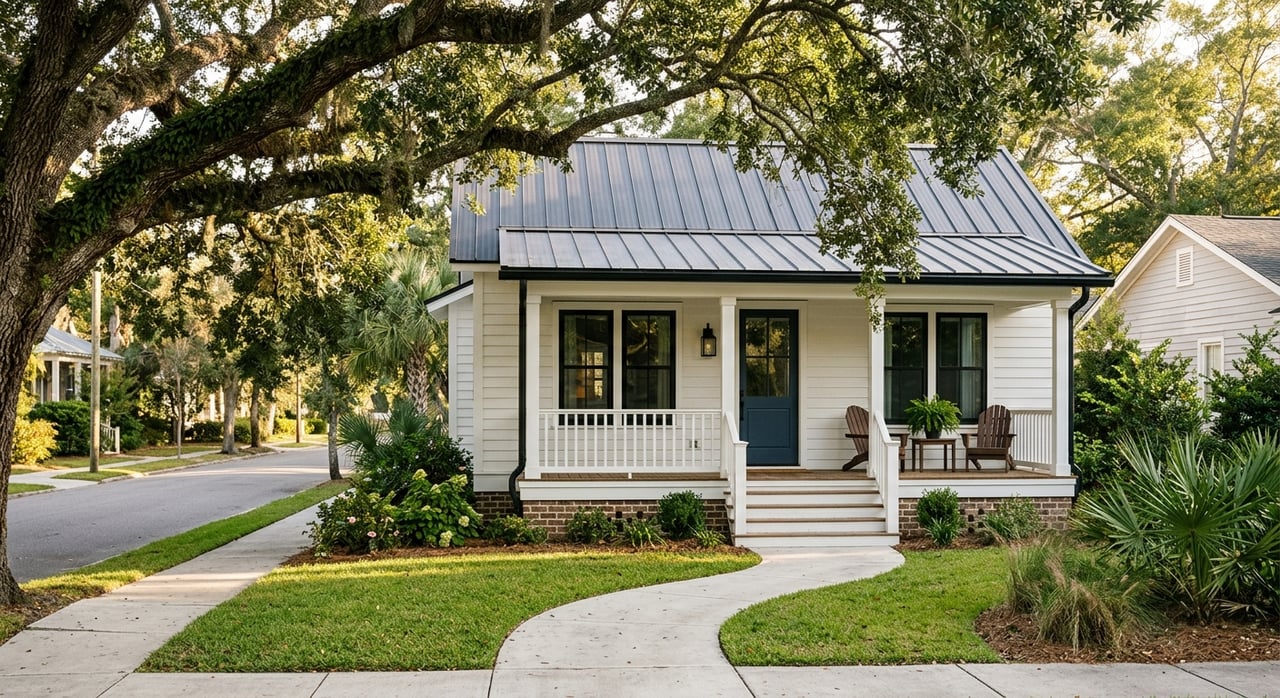
That is a strong snapshot of what many buyers picture when they imagine close-in Fairhope housing. You often see smaller lots, more compact footprints, front porches, and homes with practical design details rather than heavy ornament.
Common Fairhope Home Styles
Across Fairhope’s older neighborhoods, the housing stock is varied but still tied together by a few recurring traits. The National Register materials note that many of the oldest homes were one- and one-and-a-half-story frame houses with full porches and relatively little ornamentation.
As the city developed, materials and styles expanded. Concrete block became popular just after the turn of the century, stucco became common in the 1920s, and documented architecture included American Foursquare, Mission, Homestead Temple House, Workingman’s Foursquare, Bungalow, and Art Deco.
For a practical home search, here is a simple way to think about it:
- Downtown often means stucco and masonry commercial buildings nearby, with a stronger urban feel
- Close-in residential streets often feature bungalows, shotguns, foursquares, porches, and smaller lots
- Bayfront areas tend to include cottages, porch-heavy homes, and a wider mix of coastal-era styles
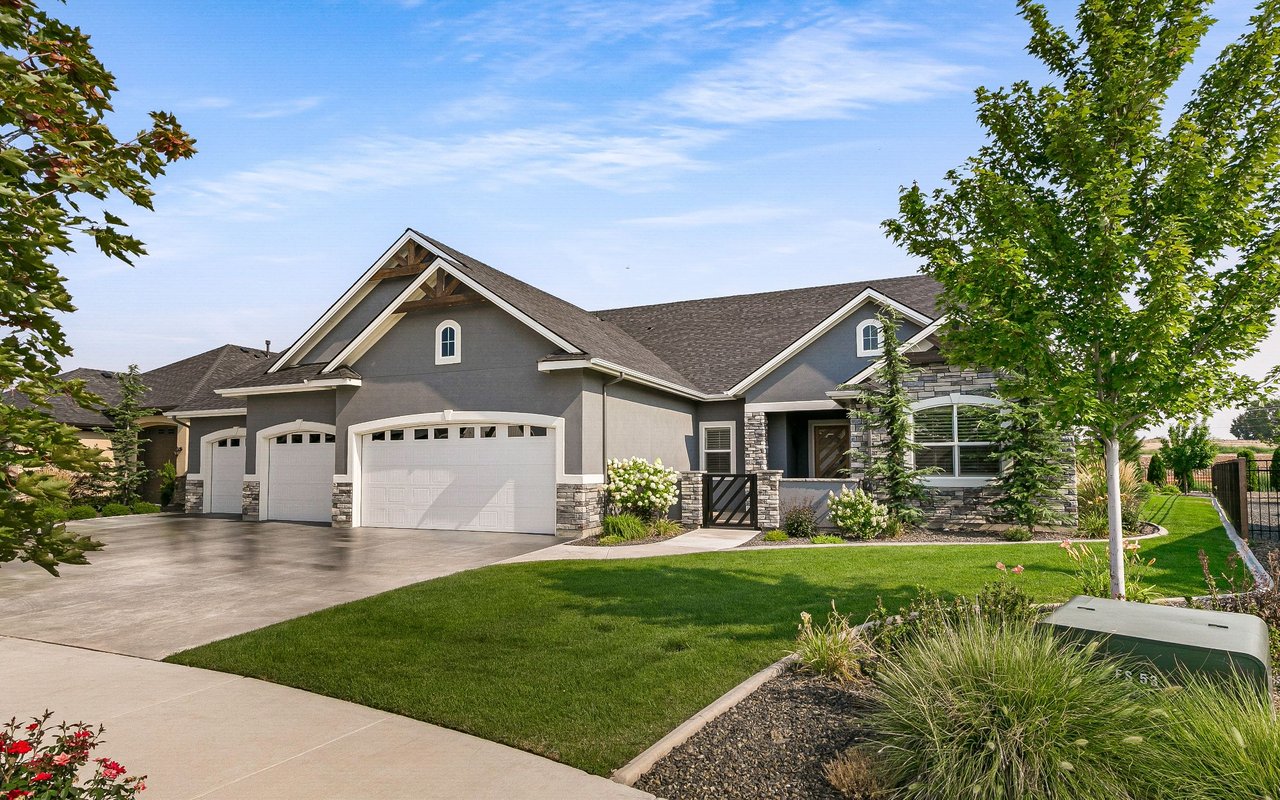
- Outlying areas often feel more subdivision-oriented and less architecturally unified
Newer Neighborhoods In Fairhope
Not every buyer wants a historic home or an in-town setting. Fairhope has also grown outward, and the city’s planning framework helps explain why those areas feel different.
The 2024 comprehensive plan separates the urban core from suburban place types, and historic records note that shopping centers and suburbs developed north and east of downtown beginning in the 1950s. In real-world terms, that usually means newer areas may offer a more conventional neighborhood pattern, newer construction options, and a different balance of lot size, layout, and maintenance expectations.
From my perspective, this is where buyers benefit from looking beyond surface finishes. If you are comparing older and newer homes in Fairhope, it helps to think about how the home functions, how it was built, and what maintenance may look like over time, especially in a coastal environment.
How To Choose The Right Area
When buyers compare Fairhope neighborhoods, the biggest question is usually lifestyle. House size matters, but the day-to-day setting often matters more.
A simple way to narrow your options is to ask yourself which of these feels most like home:
- You want walkability and activity: focus on the Downtown Core, Downtown Corridor, and older Traditional Neighborhood areas
- You want scenery and bay access: look toward the bayfront and bluff-side streets
- You want newer construction or a more conventional neighborhood feel: explore the suburban place types farther from the historic core
Fairhope’s public spaces also shape how each area lives. The pier, bluff parks, farmers market, downtown shops, and maintained streetscapes all contribute to the city’s civic feel and everyday appeal, as outlined on the city’s parks and trails resources.
What To Watch For In Home Tours
When you tour homes in Fairhope, it helps to look past style labels and focus on how each property supports your daily life. A bungalow near downtown may offer charm and access, while a bayfront cottage may offer a very different sense of space and orientation.
A few useful questions to keep in mind include:
- How much do you value being able to walk or bike to daily destinations?
- Do you prefer a historic layout with character, or a newer layout with more conventional room flow?
- How important are porches, outdoor spaces, and bay proximity to your routine?
- Are you comfortable with the upkeep that can come with older homes or coastal exposure?
That kind of comparison is where a detail-oriented approach really matters. Fairhope has enough variety that the right fit is often the home that balances location, build quality, function, and long-term livability, not just the one with the most curb appeal.
If you are planning a move in Fairhope, working with someone who understands both neighborhood differences and how homes perform can make the process much clearer. If you want practical guidance on where to focus and what to watch for, connect with Luker Smith for a grounded, local approach to buying or selling along the Gulf Coast.
FAQs
What are the main neighborhood types in Fairhope, Alabama?
- Fairhope is often understood through its Downtown Core, Downtown Corridor, Traditional Neighborhood areas, bayfront and bluff-side streets, and newer suburban place types identified in the city’s planning framework.
What home styles are common in Fairhope neighborhoods?
- Common Fairhope styles include bungalows, shotguns, American Foursquares, cottages, porch-heavy resort houses, and a mix of stucco, frame, and masonry buildings, especially in older parts of town.
What is the difference between downtown Fairhope and the bayfront?
- Downtown Fairhope offers a more walkable, shop-and-restaurant-centered setting, while the bayfront tends to feel more scenic, park-oriented, and relaxed.
Which Fairhope areas feel the most historic?
- Close-in areas tied to Downtown, Bayfront, White Avenue, and related older residential streets tend to show the strongest historic character, based on the city’s historic district materials.
Are newer neighborhoods available in Fairhope, AL?
- Yes. Fairhope includes suburban place types outside the historic core, and those areas often feel more subdivision-oriented with a more conventional neighborhood pattern.
How can you choose the right Fairhope neighborhood for your lifestyle?
- Start by deciding whether you want walkability, bay access, historic character, or a newer neighborhood feel, then compare homes based on livability, function, and location rather than price alone.