If you are dreaming about a condo in Perdido Key, the view is only part of the story. This stretch of the Gulf Coast offers a beautiful barrier-island setting, but it also comes with real coastal factors that can affect ownership, maintenance, and long-term costs. Before you buy, it helps to know what to look for in the unit, the building, and the condo association so you can make a confident decision. Let’s dive in.
Why Perdido Key condos need extra review
Perdido Key is not just a beach community. It is a narrow barrier island in Escambia County, about 16 miles long and only a few hundred yards wide in many places, with much of the area preserved as parkland.
That setting is a big part of the appeal, but it also matters when you evaluate a condo purchase. Escambia County identifies Perdido Key as highly exposed to wind, storm surge, flooding, beach erosion, and hurricane damage. The county also notes that the Perdido Key area saw the highest surge during Hurricane Sally.
For you as a buyer, that means a condo here should be viewed through a coastal lens. You are not only buying square footage and a view. You are also buying into a building’s maintenance history, storm readiness, and long-term resilience.
Focus on livability first
A good floor plan can make a big difference, especially if you plan to use the condo part-time. In Perdido Key, many buyers want a place that is easy to enjoy, easy to close up, and easy to reopen after time away.
Look for sensible bedroom separation, enough closet space, practical laundry placement, and room for beach gear without cluttering the main living area. A condo that feels easy to live in day to day will usually serve you better than one that only looks impressive in listing photos.
If you expect guests, pay attention to privacy and traffic flow. Simple details like where people enter, where wet towels go, and how easily you can store coolers, chairs, or bikes can shape your experience more than an upgraded countertop.
Check the balcony like a living space
In many Perdido Key condos, the balcony is one of the most-used parts of the property. It is worth treating that outdoor area like an extension of the main living room, not just a bonus feature.
Look at the balcony depth, privacy, drainage, rail condition, and wind exposure. A great view is important, but so is whether you can actually sit outside comfortably and use the space the way you want.
This is also where a construction-minded review matters. In coastal environments, salt spray and moisture can speed up corrosion, especially on rails, connectors, fasteners, and other exterior metal parts. Signs of wear, leakage, or prior repairs deserve a closer look.
Review parking and storage carefully
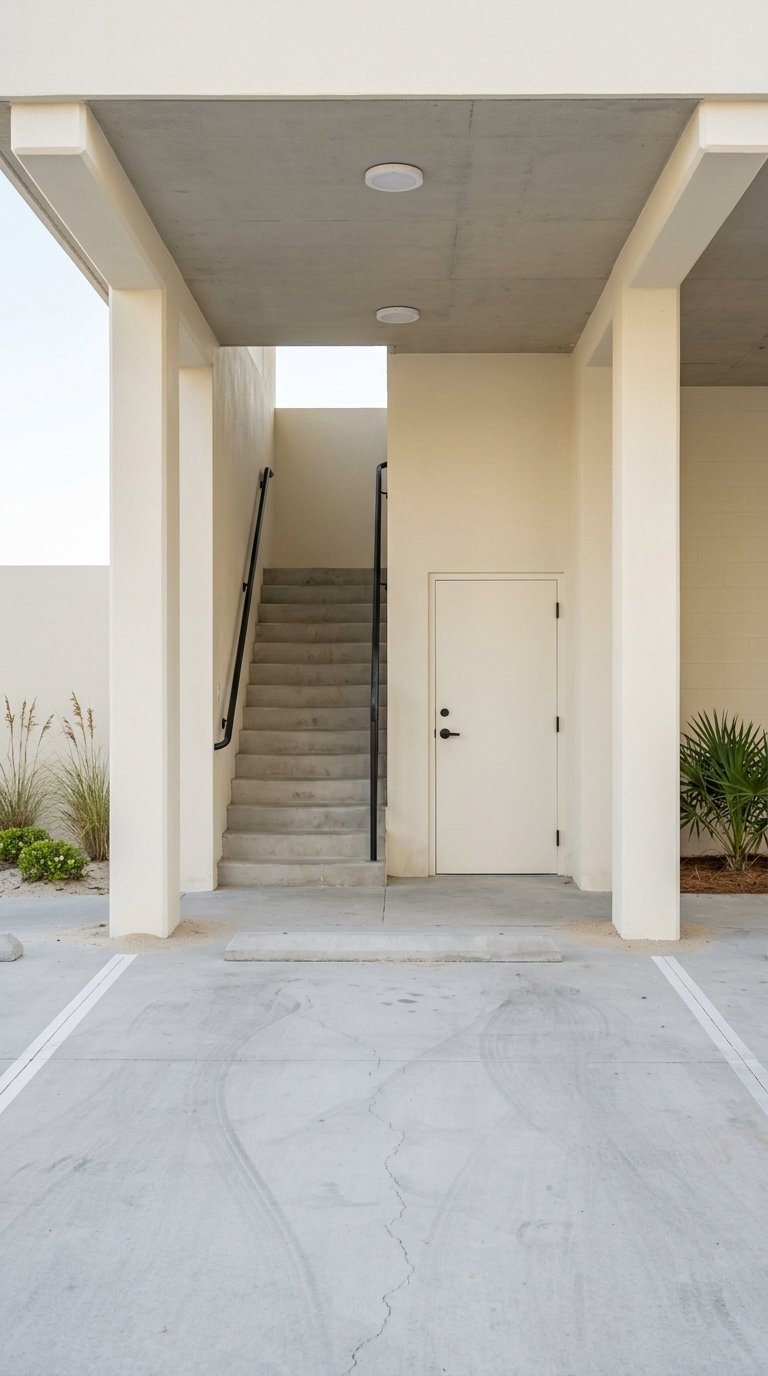
Parking and storage may not be exciting, but they can become daily frustrations if you overlook them. Before you move forward, confirm whether parking is deeded, assigned, covered, or first-come, first-served.
You should also ask about guest parking and how easy it is to get from the parking area to the unit. If you are carrying groceries, luggage, or beach gear on a regular basis, convenience matters.
Storage is just as important. Owner closets, bike storage, and beach-cart storage can make condo living much smoother. It is also smart to ask about restrictions on trailers, oversized vehicles, and personal items in common areas.
Evaluate the building envelope
When you buy on a barrier island, the condition of the building matters as much as the condition of the unit. Coastal buildings deal with more exposure, and that can show up in expensive ways if maintenance has been delayed.
Pay close attention to windows, sliders, sealant, concrete surfaces, balconies, roof areas, garage spaces, and elevator rooms. These shared systems help protect the building from wind, moisture, and salt exposure.
You do not need to be an engineer to ask good questions. What you want to understand is whether the building appears well maintained and whether major repair work may be coming soon.
Understand coastal rules and the CCCL
Some beachfront properties in Florida may be affected by the Coastal Construction Control Line, often called the CCCL. This program regulates construction that could destabilize dunes, worsen erosion, or interfere with public access.
If a property is partially or totally seaward of the CCCL, buyers may receive a disclosure. That matters if you ever expect future exterior changes involving balconies, enclosures, windows, or beach-facing features.
In plain terms, if exterior modifications matter to you, ask early whether the building is seaward of the CCCL and what approvals or permits may be required. It is much better to know those limits before closing than after.
Read the condo documents closely
One of the most important parts of buying a condo in Perdido Key happens before closing, while you review association documents. Florida sellers must provide key records, including the declaration, articles of incorporation, bylaws and rules, annual financial statement, annual budget, and certain inspection or reserve materials when applicable.
Florida resale condo contracts also include a 7-day voidability window tied to receipt of those required documents. That gives you a chance to review what you are buying into and decide whether the association is a fit.
The most useful items to study are usually:
- The annual budget
- Reserve funding information
- Insurance pages
- Meeting minutes
- Rental rules
- Pet rules
- Renovation approval rules
- Parking policies
- Any history of special assessments or litigation
This review can tell you a lot about how the building is managed and whether there may be near-term costs or restrictions that affect your plans.
Ask about inspections and reserve studies
For many larger Florida condo buildings, milestone inspections and structural integrity reserve studies are now a major part of buyer due diligence. Under Florida law, milestone inspections apply to buildings that are three habitable stories or more, generally by age 30 and every 10 years after that, though local enforcement may move that earlier to age 25 when conditions such as saltwater proximity justify it.
Florida also requires structural integrity reserve studies for many condo buildings three habitable stories or higher. For existing unit-owner-controlled associations, the current statutory deadline for completion was December 31, 2025.
For you, these reports can provide practical insight. They may show whether structural components, waterproofing, roofs, balconies, windows, or other shared systems need major work soon. The key question is simple: does this building appear positioned for stable maintenance, or is it likely facing significant capital needs?
Review insurance with care
Insurance is a big part of condo ownership on the Gulf Coast, and it deserves direct attention. Florida consumer guidance explains that a condo unit-owner policy, commonly called HO-6, covers personal property and some interior items that may not be covered by the association’s master policy.
You should review the association’s bylaws and master insurance policy before closing so you understand what the association insures and what you would need to cover yourself. This is especially important in a coastal setting where major weather events can affect both shared areas and interior spaces.
It is also important to know that standard homeowners policies do not cover flood damage. State guidance also notes that condo association policies can include hurricane deductibles, and owners may be assessed for damage to common areas if reserves are not sufficient.
Think about storm readiness
Storm readiness is not just an abstract issue in Perdido Key. Escambia County’s planning notes that barrier-island residents may be evacuated during storm events, and the area is vulnerable to storm surge, flooding, erosion, and wind damage.
If you are buying a second home or lock-and-leave property, think through the practical side of that reality. How quickly can you secure the unit? Does the building appear to have a clear approach to storm preparation and post-storm recovery? Is the maintenance schedule consistent with the demands of a barrier-island location?
These questions matter because peace of mind is part of the value you are buying.
Ask about lighting and usage rules
Some Perdido Key properties south of Semmes Road are subject to barrier-island lighting rules that are meant to protect sea turtles and the Perdido Key Beach Mouse. That can affect exterior lighting and nighttime balcony use.
This may not be a deal breaker, but it is the kind of local detail that can surprise buyers if it is not discussed upfront. If you are comparing communities, ask whether these rules apply and how they shape day-to-day use of the property.
A practical condo checklist
If you want to keep your search focused, use this simple checklist when comparing condos in Perdido Key:
- Does the floor plan work well for part-time living?
- Is there enough storage for beach gear, luggage, and everyday items?
- Is the balcony comfortable and usable, not just visually appealing?
- Do you see signs of corrosion, leakage, or past exterior repair?
- Are parking and storage convenient and clearly assigned?
- Do the condo rules match your intended use for guests, pets, rentals, and future updates?
- Are the budget, reserves, insurance pages, and inspection materials current and easy to review?
- Does the building appear ready for the realities of wind, salt air, flooding, and storm events?
- If exterior changes matter to you, is the property affected by CCCL-related limits?
Why local guidance helps
Buying a condo in Perdido Key is different from buying inland. The right purchase is not just about location or finishes. It is also about how the unit lives, how the building has been maintained, and how the association handles coastal realities.
That is where local guidance can make the process less stressful. A detail-focused review, especially with an eye for construction, function, and long-term maintenance, can help you spot the difference between a condo that looks good on day one and one that truly fits your goals.
If you are considering a condo in Perdido Key and want practical guidance from a local advisor with a construction-minded perspective, reach out to Luker Smith. He can help you evaluate the details that matter before you buy.
FAQs
What should you look for in a Perdido Key condo balcony?
- Look at depth, privacy, drainage, rail condition, wind exposure, and signs of corrosion or leakage, since balconies in coastal buildings take on extra wear from salt spray and moisture.
What condo documents should you review before buying in Perdido Key?
- Review the declaration, bylaws, rules, annual budget, annual financial statement, insurance pages, meeting minutes, reserve information, rental rules, pet rules, and any history of special assessments or litigation.
What is the CCCL for beachfront condos in Perdido Key?
- The Coastal Construction Control Line is a Florida coastal regulation that can affect beachfront properties and may limit or require approvals for certain exterior changes, especially on beach-facing features.
What insurance questions matter when buying a condo in Perdido Key?
- You should understand what the association’s master policy covers, what an HO-6 unit-owner policy would need to cover, whether hurricane deductibles apply, and the fact that standard homeowners policies do not cover flood damage.
What building issues matter most for Perdido Key condos?
- Pay close attention to windows, sliders, balconies, concrete surfaces, roofs, sealant, garage areas, and elevator rooms because barrier-island buildings face added stress from wind, moisture, salt air, and storm exposure.
What Florida inspection rules affect condo buildings in Perdido Key?
- Many condo buildings that are three habitable stories or higher may be subject to milestone inspections and structural integrity reserve study requirements, which can help you understand upcoming repair needs and reserve planning.