Thinking about Milton and wondering what day-to-day life actually feels like? You are not alone. If you want a place with a small-city scale, strong outdoor access, and a downtown that still feels connected to local history, Milton deserves a closer look. This guide walks you through what to expect, from parks and trails to housing character and community rhythm. Let’s dive in.
Milton at a glance
Milton is a small city in Santa Rosa County with an estimated population of 11,440 as of July 2025. It covers 5.57 square miles, which helps explain why it often feels more neighborhood-based than densely urban.
That smaller scale shows up in daily life. You can picture a city where local parks, river access, and a historic downtown all play a visible role in how people spend their time.
Citywide housing figures also help frame the market. The median value of owner-occupied homes is $233,100, the median household income is $76,301, and the median gross rent is $1,455. Those broad numbers suggest a market with a range of housing options rather than a one-size-fits-all housing stock.
Blackwater River shapes local life
One of Milton’s biggest lifestyle anchors is the Blackwater River. If you enjoy being outside, this is one of the clearest reasons people are drawn to the area.
At Blackwater River State Park, you can canoe, kayak, tube, swim, hike, camp, picnic, and bird-watch. The park is known for sandy bottoms, white beaches, sandbars, and access to the designated canoe trail, which gives the area a strong connection to the outdoors.
What stands out is how natural the setting remains. The river flows through undeveloped lands in the Blackwater State Forest and the state park, which helps preserve that scenic, less-built-up feel.
Parks and water access in town
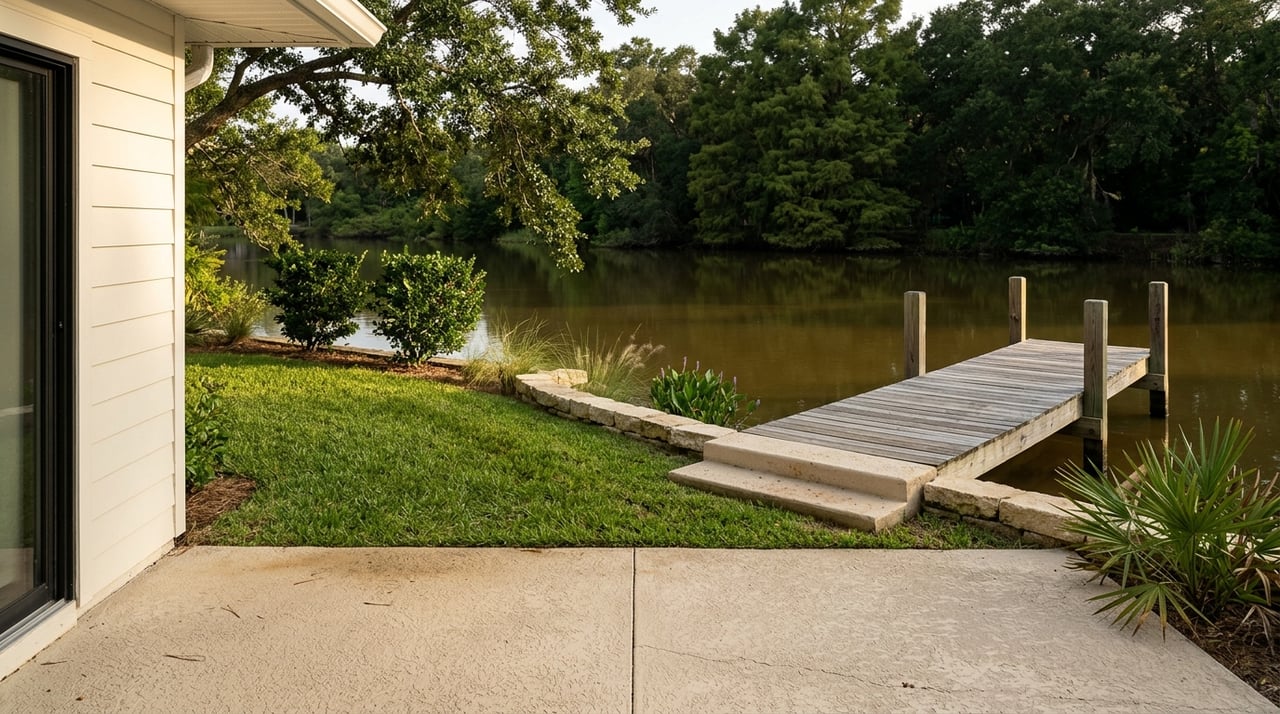
You do not have to leave town to enjoy the river. In downtown Milton, the Milton Riverwalk runs along the Blackwater River and gives you an easy way to enjoy the waterfront close to the city core.
The city also highlights Carpenter’s Park and Russell Harber Landing for water-oriented recreation. Splash-pad access, swimming at Russell Harber Landing, and boat access all add to the sense that outdoor time is built into everyday life here.
Milton’s parks system is broader than the riverfront alone. The city provides 10 sports fields, 3 playground parks, 5 boat launches, more than 20 picnic areas, a tennis center, a skate park, a BMX park, adult and youth sports, senior activities, and a community center.
For buyers, that can mean more ways to think about fit beyond the home itself. For sellers, it helps tell a fuller story about what makes Milton appealing as a place to live.
Blackwater Heritage State Trail adds flexibility
Another major outdoor feature is the Blackwater Heritage State Trail. This 8.1-mile paved rail-trail runs through the historic town and is open year-round with no fees.
You can use it for biking, walking, running, skating, picnicking, or bird-watching. That kind of all-purpose trail often becomes part of a weekly routine, especially if you value easy access to recreation without needing a long drive.
For some buyers, features like this matter as much as square footage. A home can look good on paper, but the way a city supports your everyday routine can be just as important.
Downtown Milton has historic character
Milton’s downtown is one of the city’s defining features. Its identity is shaped by an older street grid and a long local history that still shows up in the built environment.
The city identifies the Historic District as the historic core, and it has been listed on the National Register of Historic Places since 1987. Milton was named county seat in 1843 and incorporated in 1844, which makes it older than Florida statehood.
Downtown streets such as Stewart Street and Berryhill Road are part of that long-established framework. The city also points to the experience of walking downtown and visiting shops along Stewart Street as part of Milton’s sense of place.
Community events keep downtown active
Historic character matters, but Milton’s downtown is not just about older buildings. It also has a regular community rhythm that keeps the area active throughout the year.
Riverwalk Park and Jernigan’s Landing serve as gathering spaces, and the Milton Riverwalk hosts weddings, receptions, small gatherings, the Riverwalk Run 5K, and Riverfest. That mix of everyday use and special events gives downtown a more lived-in feel.
The city calendar adds even more activity. Bands on the Blackwater is a free Friday-night concert series at Jernigan’s Landing, Riverfest takes place on July 4, and Light Up Milton includes downtown festivities and a lighted boat parade.
If you are trying to picture local life, this matters. A city can have appealing buildings, but recurring public events are what often help a place feel connected and active.
Housing styles vary across Milton
Milton is not defined by one single home style. In and around the historic core, you will find evidence of older architectural forms that give parts of the city a distinct look.
The city’s historic pattern book references Queen Anne, Folk Victorian, Carpenter Gothic, and Bungalow homes. Features can include porches, wood siding or shingles, decorative trim, gabled roofs, and brick pier foundations.
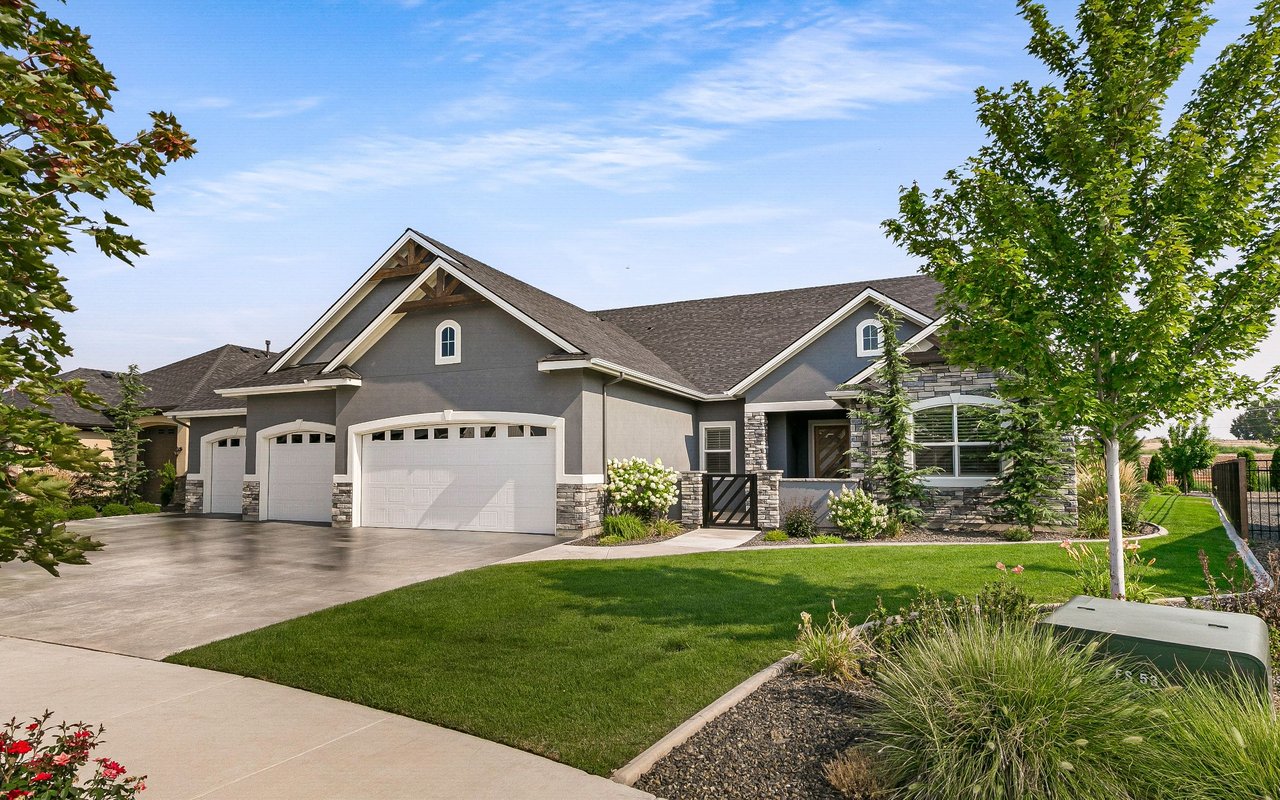
That older housing mix can appeal to buyers who value character and original details. At the same time, the broader city includes a range of residential settings, so your options may span from compact older lots to homes with more suburban spacing.
Lot sizes can feel very different
If yard space matters to you, Milton’s zoning standards offer a helpful guide for what different residential areas may feel like. Minimum lot sizes vary by district, and that can translate into very different day-to-day experiences.
The city’s residential districts include minimum lots of 12,500 square feet in R-1AA, 9,000 square feet in R-1A, 7,500 square feet in standard R-1, and as small as 5,000 square feet in older platted R-1 areas. R-2 and R-3 districts allow duplex and multifamily forms on larger minimum lots.
These are minimums, not guarantees, so individual properties can vary. Still, they offer a useful picture of Milton as a place where some homes sit on tighter historic parcels while others have a more spread-out layout.
What to know about the Historic District
If you are drawn to older homes, Milton’s Historic District may be especially interesting. It covers the historic core and is protected through design review so that new work stays compatible with the older streetscape.
That added oversight is important to understand before you buy. Exterior changes can require a Certificate of Appropriateness and design review.
For the right buyer, that process may be a fair trade for owning in a more historically consistent setting. It is simply something to plan for if renovations or exterior updates are part of your goals.
Why Milton appeals to different buyers
Milton can work for several types of buyers because its appeal is not tied to just one feature. Some people are drawn to the Blackwater River and trail access, while others care more about a historic downtown, varied home styles, or a smaller-city pace.
If you are relocating, it can help to think beyond photos and list prices. The way a home sits on its lot, how close it is to parks or the river, and how much work a property may need can all shape whether a home feels right long term.
That is where a practical, detail-focused approach matters. Looking at livability, layout, and condition alongside location can help you make a decision with more confidence.
A smart way to evaluate homes in Milton
When you tour homes in Milton, it helps to keep a simple checklist in mind. A house may catch your eye quickly, but the right fit usually comes down to how it functions for your daily life.
Focus on a few basics:
- How much yard space do you want?
- Do you prefer historic character or a more standard suburban layout?
- How important is quick access to the river, trails, or parks?
- If the home is older, what updates or maintenance might you need to plan for?
- If the home is in the Historic District, are you comfortable with exterior design review requirements?
For sellers, these same factors can shape how your home is positioned in the market. Character, lot size, outdoor access, and condition all help buyers understand value.
If you want a city with a strong outdoor identity, a historic core, and a more residential scale, Milton offers a lot to explore. And if you want help sorting through which part of Milton fits your goals best, Luker Smith brings a local, construction-minded perspective to buying, selling, and relocating across the Gulf Coast.
FAQs
What is Milton, Florida known for?
- Milton is known for its historic downtown, the Blackwater River, riverfront parks, and outdoor recreation like paddling, swimming, biking, and trail use.
What is the lifestyle like in Milton, Florida?
- Life in Milton centers on a small-city setting with neighborhood-scale living, local parks, river access, community events, and a historic downtown core.
Are there outdoor activities in Milton, Florida?
- Yes. Milton offers access to Blackwater River State Park, the Milton Riverwalk, city parks, boat launches, splash-pad access, swimming areas, and the 8.1-mile Blackwater Heritage State Trail.
What kinds of homes are in Milton, Florida?
- Milton includes a mix of older character homes in and near the historic core, along with other residential areas that may offer more standard suburban spacing and a range of lot sizes.
What should buyers know about Milton’s Historic District?
- Buyers should know that exterior changes within the Historic District can require a Certificate of Appropriateness and design review, so renovation plans may involve extra approval steps.
Is Milton, Florida a large city?
- No. Milton is a small city of 11,440 people, and its size helps support a more residential, neighborhood-based feel.